
“`html
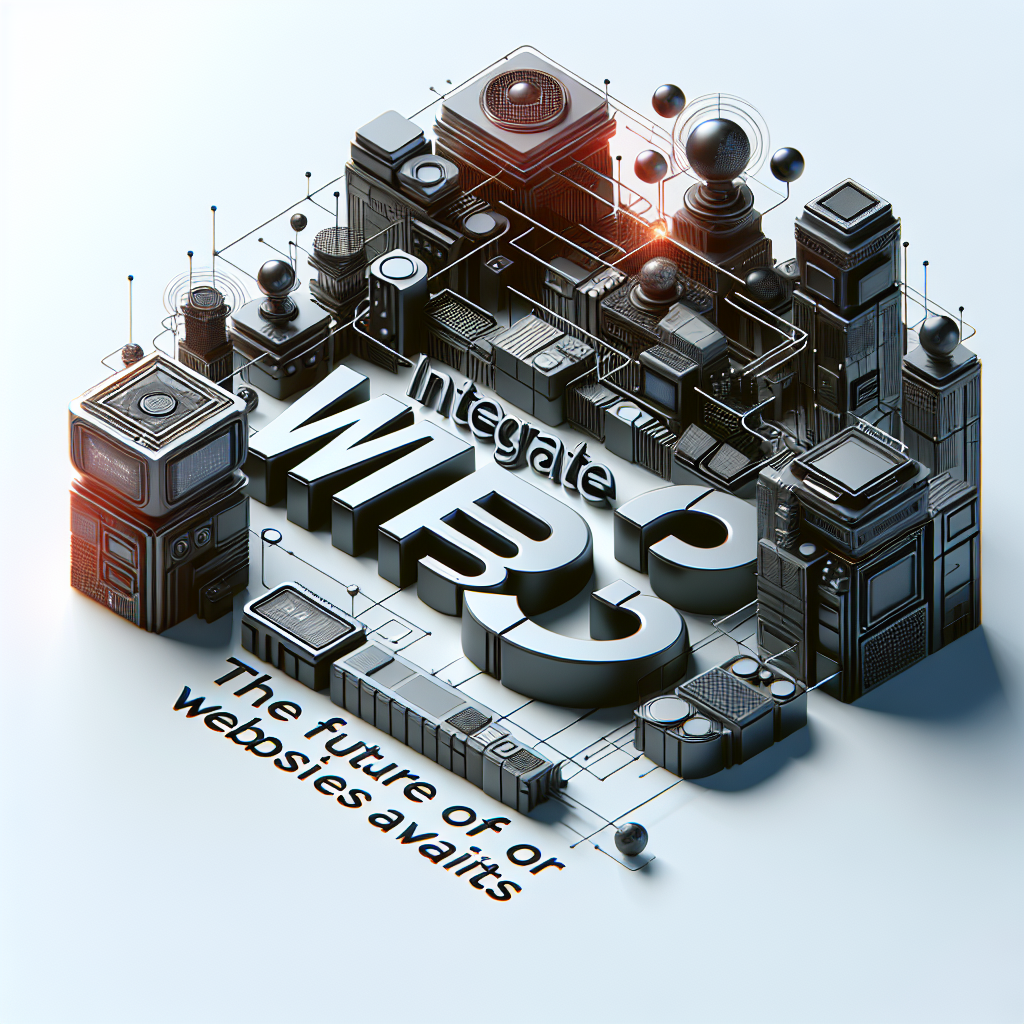
Integrate Web3: The Future of Websites Awaits
Introduction
Web3 is revolutionizing the way we understand and interact with the internet. It signifies a shift towards a decentralized web where users have greater control over their data and digital assets. In this article, we will explore the significance of Web3 in web development and how its integration can elevate the user experience. As discussed in our Web3 tag archive, this transformation is not just about technology but also about the principles of openness and collaboration.
What is Web3?
Web3, often termed the decentralized internet, represents an evolution from its predecessors, Web1 and Web2. While Web1 was primarily static content and Web2 introduced interactivity and user-generated content, Web3 focuses on decentralization, user ownership, and blockchain integration. This new paradigm fosters an environment where users can engage with applications without intermediaries. For a deeper understanding, refer to our article on smart contracts, which are a fundamental component of this ecosystem.
Benefits of Web3 Integration
- Enhanced security and privacy: Web3 leverages blockchain technology, providing a secure framework where transactions are immutable and transparent. This aspect is pivotal as users become more aware of their data rights.
- User control over data: With decentralized websites, users have ownership of their personal information, choosing what to share and with whom. This shift in control is leading towards a more ethical digital landscape.
- New revenue models: Innovative monetization strategies such as cryptocurrency payments and NFT integration open new avenues for website owners. Businesses can explore these options further in our guide on why NFTs are essential.
Key Components of Web3 Websites
- Blockchain technology: The backbone of Web3, enabling secure and transparent transactions.
- Smart contracts: Self-executing contracts with the terms directly written into code, automating processes without intermediaries. To learn more about how these contracts work, check out our simple guide on smart contracts.
- Decentralized storage: Solutions like IPFS (InterPlanetary File System) allow for data to be stored across a network, enhancing availability and redundancy. This technology is paving the way for a more resilient web.
Implementing Web3 in Your Website
Integrating Web3 features into your website involves a series of steps:
- Assess your website’s current architecture and identify areas for Web3 integration.
- Choose the right blockchain platform (e.g., Ethereum, Binance Smart Chain) based on your needs. For a comparative analysis, you can refer to our post on layer 1 vs layer 2 chains.
- Incorporate smart contracts for automating agreements and transactions.
- Implement decentralized storage solutions for improved data management.
- Utilize available tools and frameworks like Web3.js or ethers.js to facilitate integration.
Case Studies
Several websites have successfully integrated Web3 features, showcasing the potential of this technology:
- OpenSea: A marketplace for buying and selling NFTs, leveraging blockchain for secure transactions. This platform exemplifies the new digital asset economy.
- Brave Browser: Enables users to earn cryptocurrency by engaging with ads while maintaining privacy. The Brave Browser is a perfect example of integrating user-centric monetization.
- Ethereum-based dApps: Applications like Uniswap and Aave provide decentralized finance (DeFi) solutions. To understand DeFi better, check out our comprehensive guide on DeFi.
Challenges and Considerations
Integrating Web3 into websites is not without its challenges:
- Technical hurdles: Developers must navigate complex blockchain protocols and coding standards. This complexity often requires specialized knowledge, as detailed in our article on essential tools for blockchain projects.
- User adoption: A significant shift in user behavior is necessary for widespread acceptance of Web3 technologies. Education and awareness are crucial to drive this change.
- Regulatory issues: Legal frameworks surrounding cryptocurrencies and decentralized applications are still evolving. Keeping updated with regulations is essential for compliance and security.
The Future of Web3 Websites
Looking ahead, Web3 is poised to reshape the internet landscape. As technology advances, we can expect:
- Greater emphasis on user-centric design, enhancing the overall Web3 user experience. This shift will prioritize the needs and expectations of users.
- Increased interoperability between different blockchains, allowing seamless interactions. This will facilitate broader adoption and integration.
- Emerging trends in decentralized applications and the proliferation of digital assets. The future holds exciting possibilities for innovation in this space.
FAQ
What is Web3?
Web3 is the next generation of the internet that emphasizes decentralization, user ownership, and blockchain technology.
How does Web3 affect website owners?
Web3 allows website owners to create decentralized applications, provide new monetization options, and enhance user privacy and security. This evolution presents fresh opportunities for websites to thrive.
What are the security implications of Web3?
While Web3 enhances security through blockchain technology, it also introduces new risks such as smart contract vulnerabilities and the need for robust user authentication. It’s important to implement best practices for security, which can be found in our article on best practices for securing your blockchain.
Can traditional websites transition to Web3?
Yes, traditional websites can transition to Web3 by integrating blockchain features, decentralizing data storage, and adopting new business models. This transition is essential for staying relevant in a rapidly changing digital landscape.
“`