
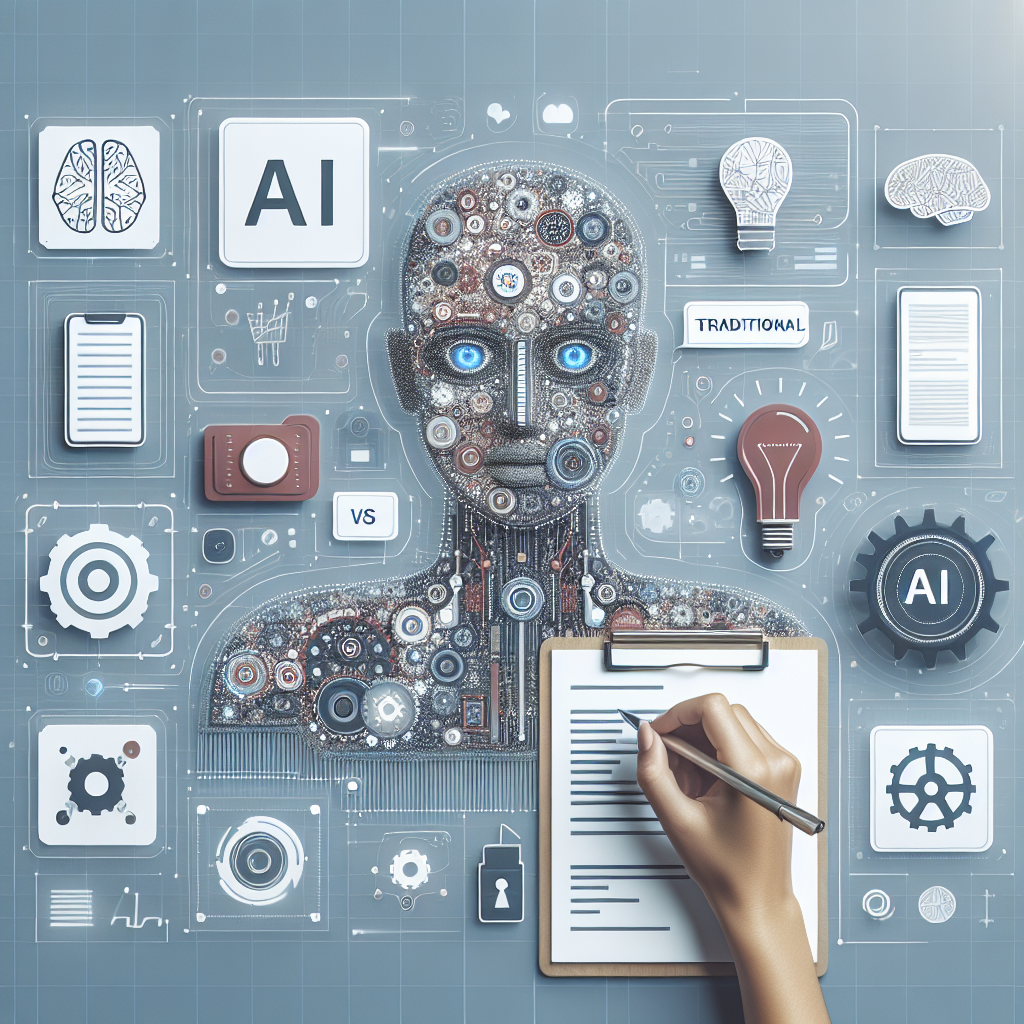
AI vs Traditional Software: The Future of Development
Introduction
In the evolving landscape of technology, the debate between artificial intelligence (AI) and traditional software development frameworks is increasingly relevant. As AI tools for developers gain traction, understanding the implications of this shift becomes crucial for businesses and tech professionals alike.
What is Traditional Software Development?
Definition and History
Traditional software development refers to the established methodologies and practices used to create software prior to the rise of AI technologies. This approach has roots in the early days of computing and has evolved over decades.
Key Methodologies (Waterfall, Agile)
- Waterfall: A sequential design process, where progress is seen as flowing steadily downwards through phases.
- Agile: An iterative approach that emphasizes flexibility and customer feedback, enabling teams to respond to changes quickly. Agile methodology has gained popularity due to its adaptability and effectiveness in project management.
Understanding AI in Software Development
Definition of AI and Machine Learning
Artificial Intelligence (AI) encompasses a range of technologies designed to mimic human decision-making capabilities, while machine learning refers to algorithms that improve through experience. These technologies are now integral to various aspects of software development.
How AI is Changing the Landscape
AI is fundamentally altering the software development landscape by automating processes, enhancing decision-making, and providing insights that were previously unattainable. This shift is well-documented in cases where AI has been successfully integrated into business operations.
Benefits of AI in Development
Increased Efficiency
AI can streamline repetitive tasks, allowing developers to focus on more complex aspects of a project. This leads to faster development cycles and increased productivity.
Improved Accuracy
Machine learning algorithms can reduce errors in coding and testing, enhancing overall software quality. This aspect is particularly crucial in fields where precision is paramount.
Cost-effectiveness
Implementing AI tools can lower labor costs and reduce the time spent on development, making projects more economically viable. Organizations can leverage AI to achieve significant savings while improving their software products.
Limitations of AI in Development
Dependency on Data
AI systems require vast amounts of data to function effectively, which may not always be available or reliable. Without quality data, the efficacy of AI applications diminishes.
Lack of Creativity
While AI can automate tasks, it lacks the creative thinking that human developers bring to problem-solving. The nuanced understanding and innovation that humans possess are irreplaceable in many scenarios.
Ethical Concerns
AI’s decision-making processes can raise ethical questions, particularly in sensitive applications. As we implement AI, we must remain vigilant about the moral implications and strive for responsible use of technology.
Comparing AI and Traditional Development
Speed and Performance
AI-driven development can significantly enhance speed and performance, allowing for quicker releases and updates. The rapid pace of technological advancements demands that teams adapt to remain competitive.
Flexibility and Adaptability
AI systems can adapt to changes in requirements or environments more readily than traditional development processes. This flexibility is a vital asset in today’s fast-paced market.
Project Complexity
Some projects may be too complex for current AI capabilities, necessitating human intervention. Understanding when to rely on AI and when to involve human expertise is crucial for successful outcomes.
Case Studies
Successful AI Implementations
- Company A utilized AI for automated testing, resulting in a 30% increase in deployment speed.
- Company B developed custom software solutions using machine learning, improving user experience significantly.
Traditional Software Successes
- Company C’s use of Agile methodology led to a successful project completion ahead of schedule. The agility offered by this approach allowed for timely adjustments in response to feedback.
- Company D’s adoption of Waterfall methodology in a regulated environment ensured compliance and quality, highlighting the strengths of traditional methods.
Future Trends in Software Development
Predictions for AI Integration
As AI technologies continue to mature, we can expect more seamless integration within the software development lifecycle, leading to hybrid methodologies that combine the best of both worlds. This evolution will facilitate more dynamic and responsive development practices.
The Role of Human Developers
Despite AI’s capabilities, human developers will remain essential for oversight, creativity, and innovation within development teams. The human touch will continue to be a vital component of successful software projects.
FAQ
What are the main differences between AI and traditional software development?
AI utilizes algorithms and data to automate processes, while traditional development relies on manual coding and established methodologies like Agile and Waterfall. Understanding these differences can help organizations choose the right approach for their needs.
Can AI fully replace traditional developers?
While AI can automate many tasks, it cannot fully replace the creativity and strategic thinking of human developers. A collaborative approach that leverages both AI and human skills is likely the most effective.
What industries are benefiting the most from AI in software development?
Industries such as finance, healthcare, and retail are leveraging AI to enhance efficiency and decision-making. For example, the healthcare sector is experiencing a transformation through AI-driven solutions.
How can businesses transition to AI-driven development?
Businesses should start by investing in AI tools, training their teams, and gradually integrating AI practices into their existing workflows. This incremental approach allows for a smoother transition and more effective adoption of AI technologies.