
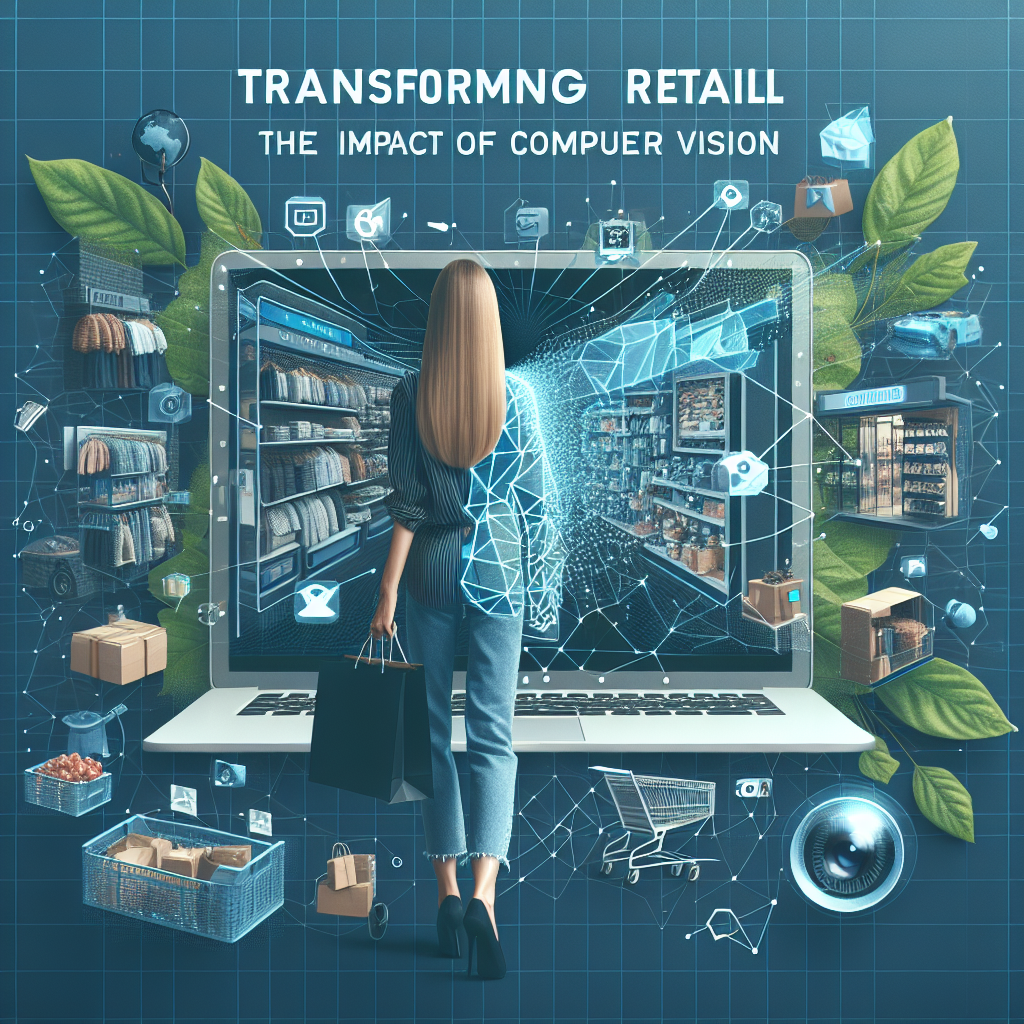
Transforming Retail: The Impact of Computer Vision
Introduction
In the rapidly evolving landscape of retail, technology plays a pivotal role in shaping operations and enhancing customer experiences. One of the most transformative technologies making waves in the retail sector is computer vision. This innovative technology leverages artificial intelligence to interpret and analyze visual data, offering retailers valuable insights into their operations and customer behaviors.
As the retail industry increasingly adopts computer vision technology, it becomes imperative to understand its implications, advantages, and the challenges it presents. This article explores the significant impact of computer vision on retail, outlining its current uses, benefits, obstacles, future trends, and relevant case studies.
What is Computer Vision?
Computer vision is a field of artificial intelligence that enables computers to interpret and make decisions based on visual data from the world. By utilizing algorithms and machine learning, computer vision systems can identify, categorize, and track objects in images and videos. Its applications span various industries, including healthcare, automotive, and of course, retail.
Current Uses of Computer Vision in Retail
- Inventory Tracking and Management: Computer vision facilitates real-time inventory tracking, enabling retailers to maintain optimal stock levels and minimize losses. This process is crucial for enhancing inventory management strategies.
- Customer Behavior Analysis: By analyzing shopper movements and interactions within the store, retailers can gain insights into shopping behaviors and preferences, significantly improving the customer experience.
- Enhancements in the Shopping Experience: Technologies such as augmented reality and smart shopping carts improve customer engagement and streamline the shopping process, making the retail environment more inviting.
Benefits of Implementing Computer Vision
- Increased Efficiency: Automation of processes such as checkout and inventory management reduces human error and speeds up operations, which can lead to lower operational costs.
- Improved Customer Engagement: By offering personalized experiences through visual recognition and tailored promotions, retailers can enhance customer satisfaction, resulting in higher loyalty rates.
- Data-Driven Decision Making: Retail analytics powered by computer vision provides actionable insights that inform business strategies, allowing retailers to adapt to changing consumer behaviors.
Challenges in Adopting Computer Vision
- Technical Barriers: Implementation may require significant technical expertise and infrastructure investment that not all retailers are prepared to handle.
- Privacy Concerns: The use of facial recognition and tracking technologies raises ethical and privacy issues that need to be addressed to maintain consumer trust.
- Cost of Implementation: While the long-term benefits are significant, the initial costs for deploying computer vision systems can be high, posing a challenge for smaller retailers.
Future Trends in Computer Vision for Retail
The future of computer vision in retail is promising, with ongoing innovations set to further revolutionize the sector. Potential advancements include:
- Integration with AI and machine learning for enhanced predictive analytics.
- Development of more sophisticated image recognition capabilities that would allow for even better customer insights.
- Expansion of automated checkout solutions to create seamless shopping experiences, which customers increasingly demand.
As retailers continue to evolve, predictions suggest a shift towards more personalized and efficient shopping environments, driven by data and advanced technology.
Case Studies
Several retailers have successfully implemented computer vision, leading to significant improvements in operations and customer engagement:
- Amazon Go: Utilizing computer vision for automated checkout processes, Amazon Go has transformed the shopping experience by eliminating the need for cashiers.
- Walmart: Through AI-powered inventory management systems, Walmart has enhanced its supply chain efficiency and reduced waste.
- Sephora: The cosmetics giant employs augmented reality shopping to allow customers to try on products virtually, thus improving customer satisfaction.
However, not every implementation has been successful. Some retailers faced challenges such as technology integration issues and customer acceptance, offering valuable lessons for future endeavors.
FAQ
- What is computer vision? Computer vision is a field of artificial intelligence that enables computers to interpret and analyze visual data.
- How does computer vision improve retail? It enhances inventory management, customer experience, and provides data-driven insights into shopping behaviors.
- What are the challenges of using computer vision in retail? Challenges include technical barriers, privacy concerns, and the initial cost of implementation.
- What future trends should retailers watch for? Innovations like advanced analytics, personalized shopping experiences, and greater automation are on the horizon.