
Transforming Supply Chain Management with Blockchain
Introduction
Supply chain management is a critical aspect of modern business operations, ensuring that products move efficiently from suppliers to customers. As global supply chains become increasingly complex, businesses are seeking innovative solutions to enhance their operations. One such solution is blockchain technology, which has the potential to revolutionize supply chain management.
What is Blockchain?
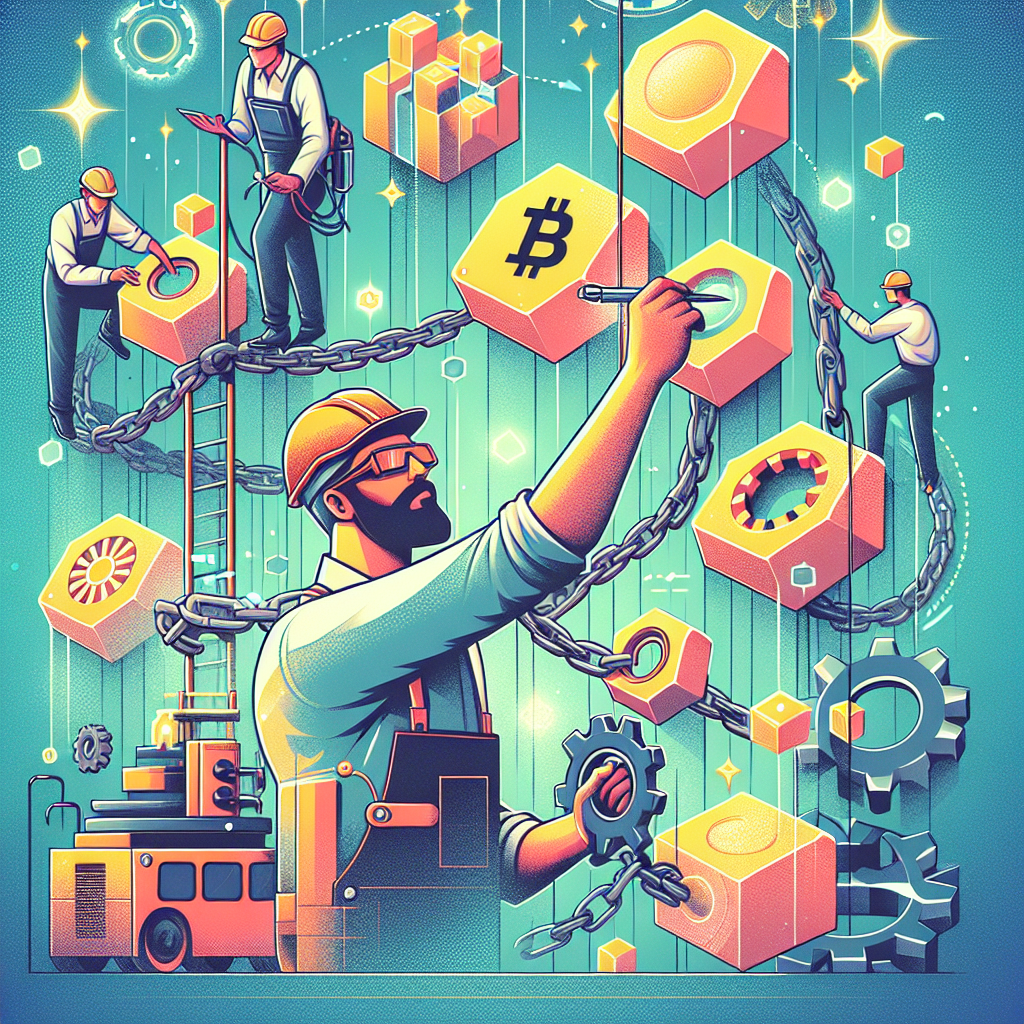
Blockchain is a decentralized ledger technology that enables secure and transparent record-keeping. Each block in the blockchain contains a list of transactions, which are linked to previous blocks, forming a chain. This structure provides several key features:
- Decentralization: Unlike traditional databases, blockchain does not rely on a central authority, reducing the risk of fraud.
- Immutability: Once recorded, data on the blockchain cannot be altered, ensuring integrity.
- Transparency: All parties involved can view the same data, promoting trust.
How Blockchain Works
When a transaction occurs, it is recorded in a block. This block is then verified by a network of nodes through consensus mechanisms, such as Proof of Work or Proof of Stake, before being added to the blockchain. This process ensures that all parties agree on the transaction’s validity, enhancing security and trust.
Benefits of Blockchain in Supply Chain Management
Enhanced Transparency
Blockchain technology provides a transparent view of the entire supply chain. Stakeholders can access real-time data regarding product movement, which helps in reducing disputes and enhancing collaboration among partners. The transparency offered by blockchain technology is essential for building trust among various stakeholders.
Improved Traceability
With blockchain, businesses can track the journey of products from origin to destination. This traceability is crucial in industries like food and pharmaceuticals, where safety and compliance are paramount. Effective traceability can also streamline operations, making it easier to identify and resolve issues swiftly.
Cost Savings and Efficiency
Implementing blockchain can lead to significant cost reductions through improved inventory management, reduced fraud, and minimized delays. Smart contracts can automate processes, further enhancing efficiency. By leveraging smart contracts, companies can ensure that agreements are executed automatically when predefined conditions are met.
Use Cases of Blockchain in Supply Chain
Food Industry Examples
Several companies have begun using blockchain to track food products. For instance, Walmart has partnered with IBM to create a blockchain system that allows them to trace produce back to its source in seconds, enhancing food safety. This partnership exemplifies how blockchain can provide immediate access to information and improve response times in case of food safety recalls.
Pharmaceutical Applications
In the pharmaceutical industry, blockchain helps in combating counterfeit drugs. By providing a secure and immutable record of a drug’s journey through the supply chain, stakeholders can verify authenticity and ensure compliance with regulations. This application of blockchain technology creates a safer environment for consumers and enhances trust in pharmaceutical products.
Retail and Logistics
Retailers can leverage blockchain for better inventory management and real-time tracking of products. This leads to improved customer satisfaction and streamlined logistics processes. The integration of blockchain can transform traditional retail practices, making them more efficient and responsive to customer needs.
Challenges of Implementing Blockchain
Technical Hurdles
Integrating blockchain with existing systems can be technically challenging. Companies need to invest in technology and training to successfully adopt blockchain solutions. Understanding the various tools and practices available is essential for companies looking to implement blockchain effectively.
Integration with Existing Systems
Many organizations have legacy systems in place, making it difficult to implement blockchain without significant upgrades or changes. Developing a comprehensive strategy for integration is critical to overcoming these obstacles.
Regulatory Considerations
Blockchain’s decentralized nature poses regulatory challenges, as compliance with data protection laws and industry regulations must be ensured. Staying informed about evolving policies is necessary for organizations to navigate the complex landscape surrounding blockchain adoption.
Future of Blockchain in Supply Chain
Trends to Watch
As blockchain technology continues to evolve, several trends are emerging:
- Increased collaboration among supply chain partners
- Growth of blockchain consortia across various industries
- Development of new standards and protocols for blockchain integration
Predictions for the Next Decade
Experts predict that blockchain will become a standard feature in supply chain management systems, leading to enhanced efficiency, security, and transparency across industries. This shift will require organizations to adapt and stay ahead by exploring new technologies and methodologies.
FAQ
What industries can benefit from blockchain in supply chain?
Industries such as food, pharmaceuticals, retail, and logistics can significantly benefit from implementing blockchain technology. The adaptability of blockchain allows it to address specific challenges across various sectors.
How does blockchain improve supply chain security?
Blockchain enhances security through its decentralized nature, making it more difficult for unauthorized parties to alter data. This inherent security feature of blockchain serves as a strong deterrent against fraud, ensuring that transaction records remain intact.
What are the costs associated with implementing blockchain?
Costs can vary widely depending on the scale of implementation, technology used, and the need for training and development. Organizations must carefully evaluate potential expenses and return on investment before proceeding with blockchain projects.
Can blockchain help reduce fraud in supply chains?
Yes, blockchain’s transparency and immutability can significantly reduce fraud by ensuring that all transactions are recorded and verifiable. This level of security and accountability is essential for building trust in supply chain operations.