

Understanding DeFAI: A Comprehensive Guide
Introduction
Decentralized AI, or DeFAI, represents a transformative approach to artificial intelligence that leverages decentralized technology for enhanced functionality and security. As industries increasingly adopt AI solutions, understanding DeFAI’s implications becomes crucial. In this guide, we will explore the definition of DeFAI, its benefits, applications, challenges, and future, helping you grasp the importance of decentralized AI in today’s world.
What is DeFAI?
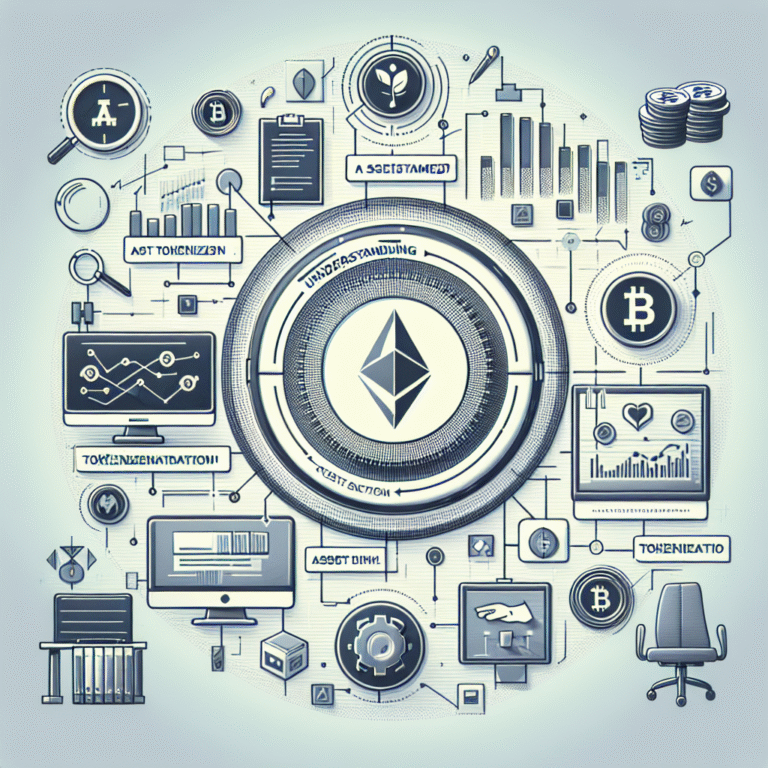
DeFAI, or Decentralized Artificial Intelligence, combines artificial intelligence with blockchain technology, creating a system where data and algorithms are distributed across a network rather than centralized in a single entity. This structure allows for a more robust and resilient AI framework.
The key components of DeFAI include:
- Decentralization: Data ownership is distributed, enhancing user control.
- Transparency: All transactions and data usage are recorded on a blockchain, ensuring traceability.
- Collaboration: Various stakeholders can contribute to the AI model, fostering innovation.
Benefits of DeFAI
DeFAI offers numerous benefits that can revolutionize various sectors:
- Enhanced security: The decentralized nature of DeFAI reduces the risk of data breaches and cyber-attacks, making it a more secure alternative to traditional AI systems.
- Increased transparency: Users can verify how their data is used, leading to greater trust in AI systems.
- Reduced costs: By eliminating intermediaries, DeFAI can lower operational costs for businesses.
Applications of DeFAI
DeFAI finds applications across various industries. Here are some notable use cases:
- Healthcare: Improved patient data management and AI-driven diagnostics. For instance, AI plays a significant role in healthcare, enhancing patient outcomes through predictive analytics.
- Finance: Decentralized finance (DeFi) applications that utilize AI for smarter trading. The integration of AI and blockchain is transforming fintech solutions by providing advanced analytics and risk assessment tools.
- Supply Chain: Enhanced tracking and transparency through decentralized data sharing. This approach is further detailed in transforming supply chain management with blockchain.
Real-world examples include:
- AI-powered decentralized marketplaces that allow users to trade directly.
- Healthcare platforms that utilize patient data for predictive modeling.
Challenges of DeFAI
While DeFAI offers numerous benefits, it also presents challenges:
- Technical limitations: The technology is still evolving and may not be as mature as traditional AI.
- Regulatory concerns: The decentralized nature complicates compliance with data protection laws.
- Ethical implications: Issues surrounding data privacy and algorithmic bias must be addressed, aligning with AI ethics discussions.
Future of DeFAI
The future of DeFAI looks promising. Some trends to watch include:
- Increasing integration of AI with blockchain technologies, paving the way for new hybrid applications.
- Greater focus on AI governance frameworks to address ethical concerns, ensuring responsible AI development.
- Continued innovation leading to new applications and tools that enhance operational efficiency.
Getting Started with DeFAI
If you’re interested in exploring DeFAI, here are some resources to consider:
- Learning resources: Online courses, webinars, and community forums to deepen your understanding.
- Tools and platforms: Open-source AI frameworks and decentralized platforms that you can leverage to kickstart your projects.
Conclusion
In summary, DeFAI represents a significant shift in how we think about artificial intelligence, offering enhanced security, transparency, and efficiency. As we move forward, understanding the challenges and opportunities presented by DeFAI will be crucial for businesses and individuals alike. Embracing decentralized AI could very well shape the future of technology, making it essential to stay informed about its developments.
FAQ
What is the difference between DeFAI and traditional AI?
DeFAI focuses on decentralization and blockchain integration, whereas traditional AI typically relies on centralized systems and data.
How can businesses implement DeFAI?
Businesses can start by exploring decentralized platforms and collaborating with tech partners knowledgeable in DeFAI.
What are the risks associated with DeFAI?
Risks include technical hurdles, regulatory uncertainties, and potential ethical issues.
Is DeFAI the future of AI?
Many believe that DeFAI will play a significant role in the future landscape of AI due to its inherent advantages.