
How Real World Asset Tokenization Transforms Investments
Introduction
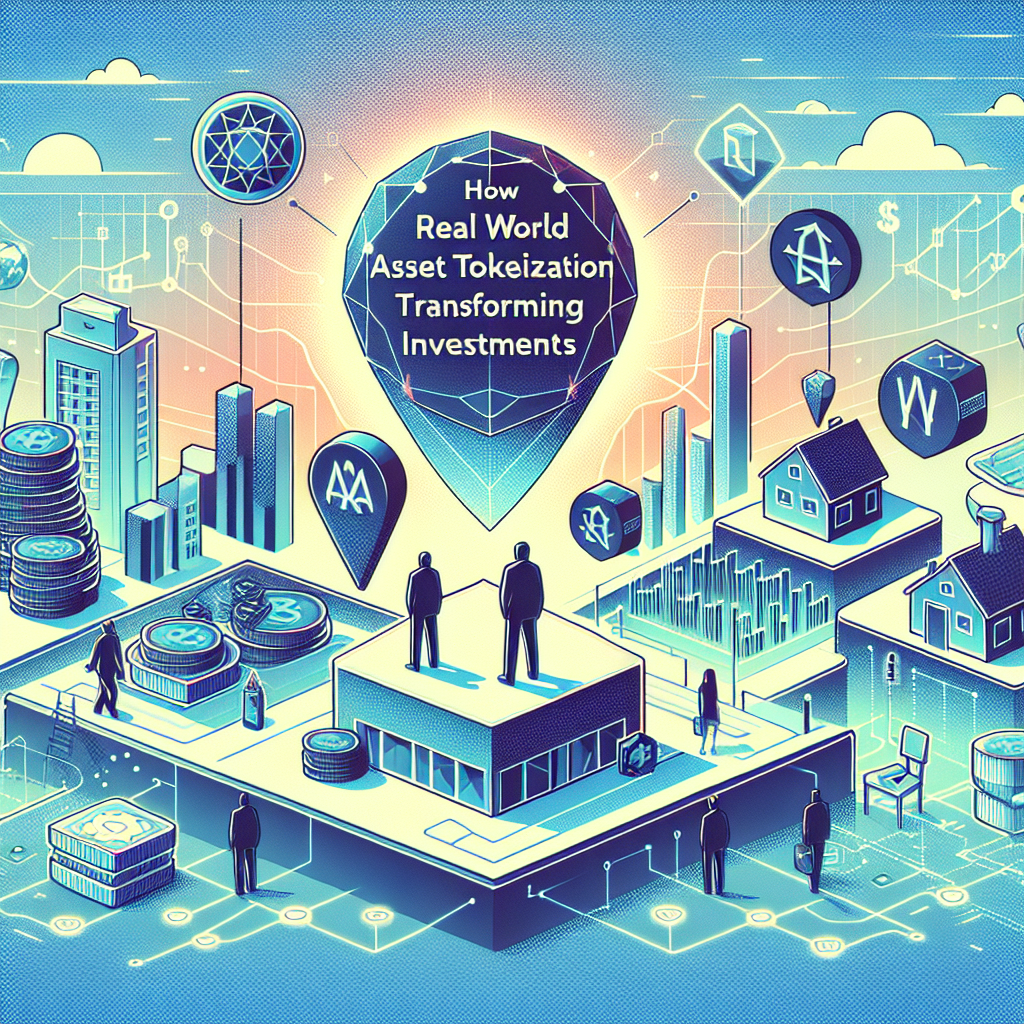
Real World Asset (RWA) tokenization is a revolutionary approach in modern investing, harnessing the power of blockchain technology to transform traditional assets into digital tokens. This process democratizes access to investment opportunities, enhances liquidity, and significantly lowers barriers to entry for investors. As we delve deeper into the intricacies of RWA tokenization, we’ll explore its benefits, challenges, and future potential.
Understanding Real World Asset Tokenization
Definition of RWA Tokenization
RWA tokenization refers to the process of converting physical and tangible assets into digital tokens that can be traded on blockchain platforms. This not only preserves the underlying value of the asset but also enhances its transferability and liquidity.
How It Works
The tokenization process involves creating a digital representation of an asset, often referred to as a token. These tokens are then uploaded onto a blockchain, allowing for secure and transparent transactions. The smart contracts associated with these tokens automate agreements and transactions, fostering trust and reducing the potential for fraud.
Benefits of Tokenization in Investments
Increased Liquidity
Tokenized assets can be traded 24/7 on various platforms, allowing investors to buy and sell assets more freely than in traditional markets. This increased liquidity can drive higher demand and stabilize prices.
Lower Transaction Costs
By eliminating intermediaries, RWA tokenization significantly reduces transaction fees associated with buying, selling, and managing investments.
Accessibility to a Wider Audience
Tokenization enables fractional ownership, allowing investors to purchase a fraction of an asset rather than needing to buy it outright. This opens investment opportunities to smaller investors who may not have the capital to invest in whole assets. For a deeper understanding of this topic, refer to our complete guide to asset tokenization.
Types of Assets Suitable for Tokenization
- Real estate
- Artwork
- Commodities
- Financial instruments
The Role of Blockchain Technology
Security and Transparency
Blockchain technology provides a secure environment for transactions through its decentralized nature. Every transaction is recorded on a public ledger, ensuring transparency and traceability, which can enhance investor confidence.
Smart Contracts in Asset Tokenization
Smart contracts automate processes such as transfers of ownership and execution of agreements without the need for intermediaries, thus minimizing the risk of errors and fraud. The significance of smart contracts in this context cannot be overstated.
Challenges and Considerations
Regulatory Issues
The regulatory landscape for RWA tokenization is still evolving. Different jurisdictions have varying laws regarding asset ownership and trading, which can complicate compliance for tokenization platforms.
Market Acceptance
Despite the benefits, there is still a hesitance among traditional investors to embrace tokenized assets. Building trust and proving the value of these investments will be crucial for widespread adoption. For insights on overcoming these hurdles, explore our article on the understanding of DeFi.
Technological Barriers
While blockchain technology offers numerous advantages, the complexities associated with its implementation can pose challenges for both issuers and investors. The necessity of securing blockchain systems is paramount in this regard.
Future of RWA Tokenization
Trends in the Industry
As technology evolves, we can expect to see greater integration of AI and machine learning in tokenization platforms, enhancing not just the investment experience but also analytics and risk assessment. For more on this topic, check out our article on how AI and blockchain are reshaping industries.
Potential for Growth and Innovation
The potential for RWA tokenization is vast, with opportunities to innovate in areas such as decentralized finance (DeFi) and financial inclusion, enabling broader access to investment markets. For further details, see our resource on financial inclusion in the context of blockchain.
FAQ
What is asset tokenization?
Asset tokenization is the process of converting physical assets into digital tokens on a blockchain, allowing for easier trading and investment. Understanding the nuances of this process is essential for modern investors.
How does tokenization improve liquidity?
Tokenization enhances liquidity by enabling 24/7 trading and fractional ownership, allowing more investors to participate in the market. This shift is transforming the landscape of liquidity in investments.
What types of assets can be tokenized?
Many asset classes can be tokenized, including real estate, artwork, commodities, and various financial instruments. As tokenization becomes more mainstream, the diversity of tokenizable assets will likely expand.
What are the risks of investing in tokenized assets?
Risks include market volatility, regulatory uncertainty, and technological vulnerabilities associated with blockchain and smart contracts. Awareness of these risks is crucial for potential investors.
How is RWA tokenization regulated?
Regulation varies by jurisdiction and can include securities laws and compliance requirements, which are still being defined for tokenized assets. Keeping abreast of these regulatory changes is vital for involved parties.